
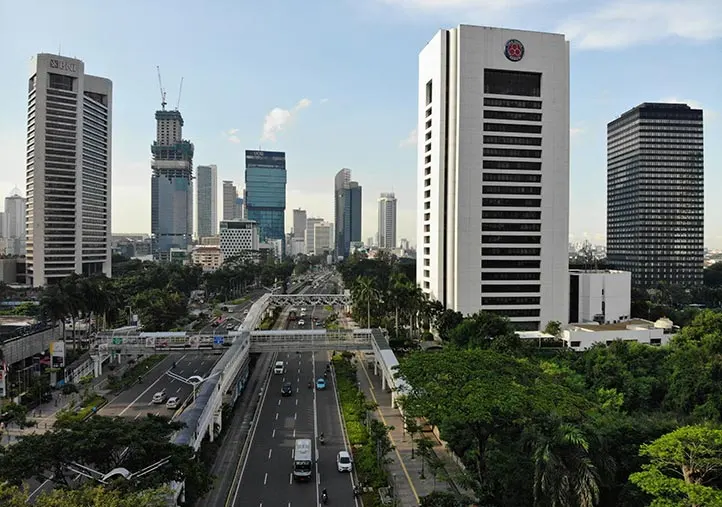
Why is it necessary to deregister a company in Indonesia that is no longer operating?
If your company in Indonesia has ceased operations, it is crucial to deregister it in a timely manner. Failing to deregister may result in additional legal liabilities and financial burdens, impacting the company’s credit and brand image. Timely deregistration can help you avoid these potential risks, eliminate unnecessary legal and financial responsibilities, and ensure that the company is completely free from operational concerns.
Consult now
❚ Financial and legal liability risks
A company that has not been deregistered may continue to bear outstanding debts and other unresolved financial liabilities. If not addressed in a timely manner, it could face late fees, fines, and even legal action.
❚ Credit damage, impacting future business
A company that remains undeleted for an extended period may be regarded as a "non-compliant company," which can affect its credit record and limit future business collaborations and financing opportunities.
❚ Ongoing financial obligations
An undeleted company will continue to face unresolved financial matters, such as unpaid bills and incomplete financial statements. This could lead to more complex financial issues and may even interfere with subsequent audit processes.
❚ Legal obstacles and investment restrictions
An undeleted company may affect future investment opportunities or cross-border business expansion. Legal regulations stipulate that a company that is not deregistered will be unable to engage in new business activities, limiting future business development.
❚ Increased unnecessary management costs
An undeleted company is still required to fulfill compliance obligations such as annual reports and tax filings, resulting in unnecessary management burdens and operational costs.
❚ Long-term legal liabilities
A company that is not deregistered will carry unresolved legal liabilities for an extended period, making future legal and financial settlements more challenging. By deregistering promptly, a business can effectively clear all responsibilities.
Tax and compliance considerations to be aware of when deregistering a company in Indonesia.
Although the company deregistration process in Indonesia is relatively straightforward, it still involves multiple steps, especially in terms of tax liquidation and debt handling. It is essential to follow the legal procedures in Indonesia strictly to ensure the smooth completion of the deregistration and the resolution of all financial responsibilities.
Tax Clearance
Before a company can be deregistered, it must settle all outstanding taxes, including Value-Added Tax (VAT), income tax, and any other applicable obligations. Any unpaid taxes must be fully paid. The company is also required to submit all necessary tax filings to the tax authority to avoid future penalties or late payment fines due to unreported taxes.
Debt Settlement
Before a company can be deregistered, all outstanding debts must be fully settled, including bank loans, unpaid invoices, tax liabilities, and employee salaries. Any unresolved debts may delay the deregistration process and could potentially expose shareholders to additional legal liabilities.
Employee and Social Security Settlement
Under Indonesian labor law, when a company is being deregistered, it must properly settle employee wages, social security contributions, and benefits. Failure to address employee entitlements may result in labor disputes or legal lawsuits.
Publish Announcements and Statements
When a company is being deregistered, an announcement must be made to notify creditors and relevant parties. The announcement helps prevent unresolved debts and legal disputes, ensuring the company exits in a legal and compliant manner.
Seek Support
Are You Encountering the Common Obstacles in Compa
Although the company deregistration process in Indonesia has been relatively streamlined, businesses still face a range of challenges during the process. These may include complex procedures, strict compliance requirements, and burdensome documentation preparation.
1. Administrative and Legal Challenges in the Deregistration Process
Company deregistration involves multiple steps, including financial liquidation, tax filing, and employee settlement. Many businesses are unfamiliar with these procedures and may overlook critical steps. This is especially true when dealing with government authorities, where the processes can be complex and legal requirements are stringent, often resulting in delays in the deregistration timeline.
In Indonesia, the settlement of tax obligations and employee social security is subject to strict requirements. Companies must ensure that all outstanding taxes and social security contributions are fully cleared. Mishandling these matters may trigger tax audits or labor disputes, increasing both legal and financial risks for the company.
During deregistration, all submitted documents must be accurate and complete. Any omissions or formatting errors can result in approval delays or even rejection of the deregistration application. Many companies are unfamiliar with Indonesian legal requirements and may fail to submit reports on time, leading to unnecessary complications and risks.
4. Legal and Financial Consequences of Delayed Company Deregistration
Companies that are not deregistered in a timely manner may continue to accumulate debts and tax liabilities, potentially leading to legal action and financial risks. In Indonesia, an inactive but undeclared company remains financially liable and may even expose its shareholders to legal responsibilities.
5. Impact of Failing to Deregister on Company Credit
A company that remains unregistered for an extended period can negatively impact its credit record. In Indonesia, such companies are often regarded as “dead entities,” which can significantly hinder future financing, business partnerships, and market expansion opportunities.
Seek Support
Pre-Deregistration Assessment and Legal Consultation
We begin with a comprehensive assessment of the company’s business and financial status to ensure there are no outstanding tax or debt issues. Through professional legal consultation, we help the business identify the required legal documents and procedures, ensuring a smooth initiation of the deregistration process.
Document Preparation and Review
We handle the preparation, review, and translation of all documents required for deregistration, ensuring that each document fully complies with Indonesian legal requirements. This helps prevent application rejections due to formatting errors or missing information.
Explore Our Services
Consult nowSuccessful Deregistration, Seamless Company Liquidation
Case A
Deregistration of Indonesian Branches of Cross-Border E-Commerce Companies
Case B
A Food Manufacturing Company Deregisters Its Indonesian Subsidiary
Case C
Deregistration of the Indonesian Branch of an IT Company
More Case Studies
Company Deregistration Process in Indonesia
In Indonesia, company deregistration involves several key steps, and ensuring compliance at each stage is crucial.
1
Prepare the Required Documents
Business License,Tax Clearance Certificate,OSS (Online Single Submission) Account,Board Resolution Document
2
Submit Deregistration Application
Submit the company deregistration application through the OSS system, providing all required documents and information.
3
Industry Audit and On-Site Assessment
Depending on the company’s industry (such as SBU, KBL, etc.), an on-site assessment may be required.
4
Complete Tax Settlement
The company must settle all outstanding taxes, including income tax, value-added tax (VAT), and others.
5
Settlement of Employee Social Security and Salaries
All employee social security contributions and salaries must be paid in full during the company deregistration process.
6
Publish an Announcement
An official announcement must be published on Indonesia’s official government website or designated media during the deregistration process.
7
Obtain Deregistration Certificate
After completing the above steps, the relevant Indonesian authorities will issue a deregistration certificate, officially marking the termination of the company's operations.
Consult now
Professional Cross-Disciplinary Support
One-Stop Deregistration Service
Comprehensive Tax and Compliance Assurance
Efficient Support from Local Team
Transparent and Reasonable Fee Structure
Provide a clear and transparent fee structure to ensure businesses fully understand the costs involved in the deregistration process, avoiding unnecessary additional expenses.
Rapid Response and Tailored Solutions
Frequently Asked Questions
How Long Does It Take to Deregister a Company in Indonesia?
In general, the deregistration of a company in Indonesia typically takes between 3 to 6 months. The exact duration depends on the complexity of processes such as tax clearance, debt settlement, employee compensation, and public announcements. In some cases, the timeline may be extended if there are unresolved financial or legal issues.
Is it necessary to settle debts when deregistering a company in Indonesia?
Yes, Indonesian law requires that all debts must be settled before a company can be deregistered. This includes outstanding taxes, employee salaries, and payables to suppliers. Failure to resolve these obligations may prevent successful deregistration and could even lead to asset freezes or legal action.
Will I Face Any Additional Legal Risks After Deregistering a Company in Indonesia?
If a company fails to properly settle its debts or tax obligations during the deregistration process, it may incur additional legal liabilities. In Indonesia, the tax authority and labor department strictly hold companies accountable for incomplete deregistration, making compliance throughout the process critically important.
Is Tax Payment Still Required After Company Deregistration in Indonesia?
Once a company completes the deregistration process and settles its tax obligations, it is no longer required to pay taxes. However, if tax settlement is not carried out in a timely manner as required, the company may continue to accumulate tax liabilities, particularly related to value-added tax (VAT) and corporate income tax.
Will failing to deregister a company affect its business credit?
In Indonesia, companies that are not officially deregistered may be classified as “inactive” and potentially listed as “dead companies,” which can negatively affect their business credit and financing capability. Additionally, such companies may still be required to submit annual reports and tax filings, resulting in unnecessary operational costs.
After the company is deregistered, are shareholders still liable for any obligations?
Once a company is deregistered and liquidation is complete, shareholders are generally no longer held liable. However, in Indonesia, if there are unresolved debts or tax issues during the deregistration process, shareholders may be held personally responsible. Therefore, every step of the deregistration process must be conducted in full compliance with legal and regulatory requirements.
Is it necessary to publish a public notice when deregistering a company in Indonesia?
Yes, according to Indonesian company law, a public announcement is required when deregistering a company to notify creditors and relevant parties. The announcement must be published through designated media or official channels to ensure that all outstanding debts and legal liabilities have been properly addressed.
Yes, Indonesian labor law requires companies to settle employee wages, social security contributions, and other benefits before deregistration. The company must ensure that all employee entitlements are fully addressed to avoid labor disputes or legal action arising from unresolved obligations.
Image gallery



No published comments yet.